Saving for a first home can feel challenging, especially when you aren’t sure how much…
Conventional Loans for First-Time Home Buyers: How to Qualify in Massachusetts
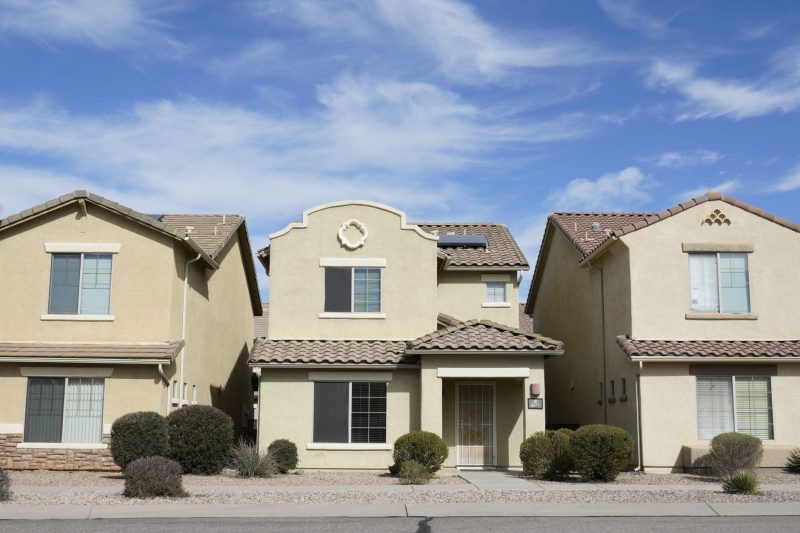
Starting your journey as a first-time home buyer in Massachusetts can feel overwhelming, especially when trying to sort out which mortgage is the right fit. A conventional loan is a mortgage offered by private lenders that meets guidelines set by Fannie Mae and Freddie Mac, and it is one of the most popular pathways to homeownership for first-time buyers. In this post, we’ll break down exactly what you need to qualify for a conventional loan, outline the process step-by-step, and share straight answers to the most common questions our clients ask.
Key Takeaways
- Purpose: Conventional loans are designed for buyers seeking a mainstream mortgage with flexible terms and competitive rates.
- Requirements: You’ll generally need steady income, verifiable assets, acceptable credit, and a minimum down payment (typically at least 3% for first-timers).
- Timeline: The loan process from pre-approval to closing often spans a few weeks, depending on preparation and property specifics.
- Best For: First-time buyers with solid credit history, stable income, and the ability to document finances.
Quick Answers: Conventional Loan Qualification for First-Time Buyers
- Can I use gift funds for the down payment? Yes, most programs allow gift funds from family for all or part of the down payment and closing costs, with proper documentation.
- Will I need mortgage insurance? If your down payment is less than 20%, private mortgage insurance (PMI) will be required until you reach enough equity.
- What credit score is needed? Most lenders look for a minimum credit score around the mid-600s, but requirements vary and higher scores may unlock better rates.
- Does being self-employed make it harder to qualify? Self-employed buyers can absolutely qualify, but should expect to provide two years of tax returns and extra documentation of income and business stability.
What Is a Conventional Loan and Why Choose One?
Conventional loans are mortgages not insured or guaranteed by a government agency—meaning they are offered and backed by private lenders and adhere to the standards set by Fannie Mae and Freddie Mac. These loans provide flexible down payment options, potentially lower monthly payments if you have strong credit, and a wide range of term lengths.
Blue Door Mortgage (NMLS# 2218) specializes in helping first-time buyers navigate the expectations and paperwork required for conventional financing. Our approach is centered around professionalism and making sure you always have straight answers as you move through your home buying journey.
Eligibility Requirements for First-Time Buyers
As a first-time home buyer in Massachusetts, you have access to certain conventional loan advantages, including lower minimum down payment options and reduced mortgage insurance costs in some cases. Meeting the requirements comes down to a few core factors:
1. Credit Score
Lenders will review your credit score to determine your eligibility and interest rate. Most conventional loan programs for first-time buyers allow for a minimum credit score in the mid-600s, but higher scores may lead to better rates and broader program options.
2. Documented Income & Employment
You’ll need evidence of stable income. This typically means recent pay stubs, W-2s, or—if self-employed—two years of federal tax returns and business financials. Consistency is key, and any employment changes should be documented.
3. Down Payment
The minimum down payment for a conventional loan is often 3% for eligible first-time buyers. The funds can come from your own savings, retirement accounts, or—in many cases—eligible gift funds from a family member (with a simple letter for documentation).
4. Debt-to-Income (DTI) Ratio
DTI ratio measures your total monthly debt obligations compared to your gross monthly income. Lenders commonly look for a DTI below a certain threshold (which varies), but some flexibility exists, especially with compensating factors like strong credit or extra reserves.
5. Property Requirements
The property must meet basic livability standards and fall within conforming loan limits for your county. (These limits are updated annually—always check them at the start of your planning process.)
The Conventional Loan Process: Step by Step
- Get Pre-Approved: Gather your income, asset, and credit information, then meet with your lender for pre-approval—this is your best move before you start making offers.
- Find a Property and Make an Offer: Your pre-approval letter strengthens your offer and shows sellers you’re a serious, qualified buyer.
- Loan Application and Processing: Once your offer is accepted, you’ll complete a full application, provide supporting documents, and the lender will order an appraisal.
- Underwriting: The file is reviewed for final approval based on your qualifications and the property’s appraised value.
- Clear to Close: Final loan documents are prepared, closing is scheduled, and you’re ready to sign and get your keys.
Conventional Loan Pros and Cons for First-Time Buyers
| Pros | Cons |
|---|---|
| Low down payment options (as low as 3%) | Requires stronger credit than some government loans |
| No upfront mortgage insurance premium | Private mortgage insurance applies if under 20% down |
| Flexible property types (single family, condo, townhouse) | Conforming loan limits may restrict higher purchase prices |
| Ability to remove PMI when you build enough equity | Qualification is based on full financial documentation |
Conventional Loan Options for Massachusetts Buyers
As a first-time buyer, you can access fixed-rate loans, adjustable-rate mortgages, and even renovation loans if you plan to update the home. Each option comes with its own pros and considerations—fixed-rate loans are popular for stability and predictability, while renovation loans help finance repairs or improvements right alongside your purchase.
Additionally, you may be eligible for down payment assistance programs offered in Massachusetts through state or local agencies. These programs can help bridge the financial gap and make qualifying for a conventional loan even more accessible.
Tips to Strengthen Your Conventional Loan Application
- Review and improve your credit before applying—check for errors and pay down revolving debts if possible.
- Organize your income and asset documentation in advance.
- Consider saving for reserves (extra funds left after closing) to provide extra confidence to lenders.
- Work with a lender who brings professionalism to the process and communicates clearly at every step.
Why Work with Blue Door Mortgage?
At Blue Door Mortgage, we’ve helped thousands of homeowners—and, in many cases, several generations in the same family—understand their mortgage options and move forward confidently with the purchase or refinancing of their homes. Our experienced team is invested in every client’s success and committed to providing clear, friendly service at every step.
Ready to Take the Next Step?
If you’re looking to qualify for a conventional mortgage as a first-time buyer in Massachusetts, we’d be happy to review your scenario, compare program choices, and map out your next steps toward pre-approval. Feel free to call, text, or email us—we are here to answer your questions and make sure you have everything you need for a smooth home buying experience.
Frequently Asked Questions
Can I qualify for a conventional loan with student loans?
Yes, having student loans does not prevent you from qualifying. Lenders will review how your student loan payments affect your overall debt-to-income ratio, so keeping those payments manageable may help your approval.
What counts as a first-time buyer for a conventional loan?
Typically, you’re considered a first-time buyer if you haven’t owned a home in the past three years. This definition varies by program, so it’s important to check eligibility criteria when exploring your options.
How much do I need for closing costs?
Closing costs typically range from a few thousand dollars to a percentage of your loan amount, depending on the property and lender. Sometimes, sellers can contribute, or eligible assistance programs may help offset these costs.
What documents will I need for pre-approval?
Most lenders will ask for recent pay stubs, W-2 forms or tax returns, two months of bank statements, and identification. If self-employed, plan to provide two years of tax returns and business financials.
Can I get pre-approved before finding a property?
Absolutely. Pre-approval helps you understand your budget, strengthens your offer, and shows sellers you’re a serious and qualified buyer as you search for the right home.
This is educational and not financial advice. Loan programs and guidelines can change. Talk with a licensed mortgage professional about your specific scenario.

About the Author
Jonathan White
President at Blue Door Mortgage · NMLS #3443
I am the President and one of the producing Mortgage Brokers for Blue Door Mortgage located in Brookline, Massachusetts. With over 29 years in the Mortgage Brokerage business, I have helped thousands of homeowners and generations of their families with the purchasing and refinancing of their properties.
Specializes in: Conventional, FHA, Jumbo
Licensed in: FL, MA, NH, RI
Related Posts