Saving for a first home can feel challenging, especially when you aren’t sure how much…
Conventional Loans: How First-Time Homebuyers in Massachusetts Can Qualify
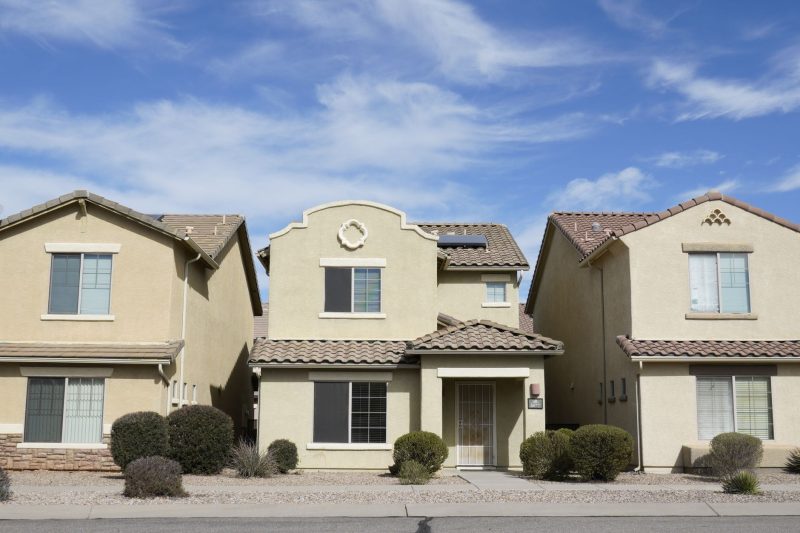
Buying your first home is a major milestone, but understanding which mortgage option is the right fit—and how to qualify—can be stressful. **A conventional loan is a mortgage not backed by the federal government, with requirements and benefits that make it a popular choice for many first-time homebuyers in Massachusetts.** In this post, we’ll explain what makes a loan ‘conventional,’ walk through the essentials for qualifying, and share what first-time buyers should know when starting the process.
Key Takeaways
- Purpose: Conventional loans can help buyers purchase a home with flexible terms and no direct government backing.
- Eligibility: Lenders review credit score, income, employment, and down payment when determining qualification.
- Timeline: The loan process for first-time buyers often takes between 30 and 45 days from contract to closing, but can vary by scenario.
- Best For: Buyers with solid credit and stable income looking for competitive rates or more loan flexibility.
Quick Answers: Conventional Loan Basics for First-Time Buyers
- What is a conventional loan? A conventional loan is a mortgage option not insured by the federal government, generally following rules set by Fannie Mae and Freddie Mac.
- Is a big down payment required? Not always; first-time buyers may qualify with as little as 3% down, depending on the program and their financial profile.
- Can I use gift funds? Yes, many programs allow gift funds for all or part of your down payment—your lender can explain the guidelines.
- Is private mortgage insurance (PMI) required? PMI is typically required if your down payment is less than 20%, but can be removed once you reach 20% equity in your home.
What Makes a Loan ‘Conventional’?
Conventional loans are distinct because they’re not insured or guaranteed by government agencies such as FHA, VA, or USDA. Instead, they typically adhere to guidelines set by Fannie Mae and Freddie Mac—two major agencies that help keep mortgage funds available throughout the U.S. These loans are offered by banks, credit unions, and mortgage companies like Blue Door Mortgage (NMLS# 2218) that work with many different lenders to help find the right fit for your scenario.
Some conventional loans are ‘conforming,’ meaning they meet loan size and qualification standards set by Fannie Mae and Freddie Mac. Others may be ‘jumbo’ loans, which are designed for home prices that exceed local conforming limits.
Conventional Loan Qualification Requirements
Lenders will look at several main factors when reviewing your application for a conventional loan, especially if you’re buying your first home:
- Credit score: Most programs require a minimum credit score to qualify—typically 620 or higher—but stronger credit can help you access better rates and terms.
- Income and employment: Lenders want to see reliable income. For salaried and hourly employees, that usually means recent pay stubs and W-2s. Self-employed buyers may need to provide personal and business tax returns.
- Debt-to-income ratio (DTI): This compares your monthly debt payments to your gross monthly income. Guidelines vary, but many programs look for a DTI below a certain threshold.
- Down payment: First-time buyers can sometimes qualify with as little as 3% down. If your down payment is less than 20%, private mortgage insurance (PMI) will likely be required.
- Assets & documentation: Be prepared to show recent bank statements and verification of any gift funds, along with documentation to support your overall financial picture.
Remember, these requirements can change, and some lenders may have additional criteria, so it’s always a good idea to work with a professional who offers straight answers and clear guidance.
Unique Considerations for First-Time Homebuyers
There are special benefits and some additional flexibility for those buying their very first home:
- Lower minimum down payment: Some conventional loans for first-time buyers require just 3% down, assuming you meet income and credit guidelines.
- Homebuyer education: Many first-time buyers will need to complete an approved homebuyer education course to qualify for these lower down payment programs.
- Co-borrowers and gift funds: You can often use gifted funds (from a relative, for example) for part or all of your down payment, as long as documentation guidelines are followed.
First-time buyer programs may also offer flexible underwriting or assistance closing costs—ask your lender about the options in your area.
What Can Make Approval Easier?
Organizing a few key items can speed up the process and improve your ability to qualify:
- Check your credit report for errors ahead of time.
- Gather income and asset documentation before you apply.
- If using gift funds, work with your mortgage professional on the proper documentation.
- Understand your budget and get pre-approved before shopping for homes—this gives you a strong position when making an offer.
At Blue Door Mortgage, we believe professionalism is all about providing good communication, timely status updates, and making sure you know what to expect at every step. We’re here to answer your questions thoroughly, whether you’re buying in Massachusetts or considering your first home purchase across Rhode Island, New Hampshire, or Florida.
Conventional vs. Government Loans: A Quick Comparison
| Conventional Loan | FHA Loan | VA Loan |
|---|---|---|
| Not government-backed, follows Fannie Mae & Freddie Mac rules | Backed by FHA, more flexible on credit | Backed by VA, only for eligible veterans/service members |
| Minimum down payment as low as 3% for first-time buyers | Minimum down payment 3.5% | 0% down payment possible |
| PMI required if less than 20% down | Upfront/annual mortgage insurance required | No PMI; funding fee applies |
| Stronger credit typically earns better rates | More flexibility for lower credit | Service history is the primary requirement |
Steps to Get Pre-Approved for a Conventional Loan
Getting pre-approved is usually the first major step in the home buying journey. Here’s what you can expect:
- Initial consult: We’ll review your goals and recommend loan options based on your budget and timeline.
- Gather documentation: You’ll provide income, asset, and credit information for review.
- Pre-approval letter: Once we review your file, we’ll issue a pre-approval letter, which strengthens your offer when you find the right property.
- Home search and offer: Work with your real estate agent to search—and make offers on—homes within your pre-approved range.
- Full loan application: After an accepted offer, we move forward with the full loan origination process, order an appraisal, and finalize details through closing.
Why Work with a Local Mortgage Professional?
Massachusetts has unique market conditions, property types, and even tax considerations that can affect what’s best for first-time buyers. A local lender with experience in the community understands these nuances. Choosing a team that offers straight answers and clear expectations is one of the best ways to move forward confidently.
Start Planning Your Next Steps
Taking the first step toward homeownership doesn’t have to be complicated. If you’re a first-time buyer in Massachusetts—or nearby areas like Rhode Island, New Hampshire, or Florida—we’re ready to help you compare your options, understand qualification, and plan for a smooth pre-approval. Call, text, or email us today to review your scenario and take the next step. Preparing early and working with the right guidance can turn homeownership into a reality.
Frequently Asked Questions
Can I qualify for a conventional loan with less than perfect credit?
While most conventional programs require a minimum credit score, many first-time buyers qualify even if their credit isn't ideal. Meeting other guidelines, like debt-to-income ratio and stable employment, can be just as important.
Are there income limits for first-time homebuyer conventional loans?
Some low-down-payment programs for first-time buyers have income limits, while others do not. Your lender can help you review program options and see what fits your situation best.
How soon can I remove private mortgage insurance (PMI)?
You can usually remove PMI from a conventional loan once you reach 20% equity in your home, either by paying down your mortgage or through home value appreciation. Talk with your lender for current requirements and process details.
What is considered a first-time homebuyer?
Most programs define a first-time homebuyer as someone who has not owned a home in the past three years. This standard may vary, so always check with your lender for the details.
Who pays for the appraisal on a conventional loan?
The buyer usually pays for the appraisal, which is required to confirm the property’s value meets lender guidelines. Costs can vary by property and location.
This is educational and not financial advice. Loan programs and guidelines can change. Talk with a licensed mortgage professional about your specific scenario.

About the Author
Jonathan White
President at Blue Door Mortgage · NMLS #3443
I am the President and one of the producing Mortgage Brokers for Blue Door Mortgage located in Brookline, Massachusetts. With over 29 years in the Mortgage Brokerage business, I have helped thousands of homeowners and generations of their families with the purchasing and refinancing of their properties.
Specializes in: Conventional, FHA, Jumbo
Licensed in: FL, MA, NH, RI
Related Posts