Saving for a first home can feel challenging, especially when you aren’t sure how much…
Down Payments for First-Time Buyers in Massachusetts: What You Need to Know
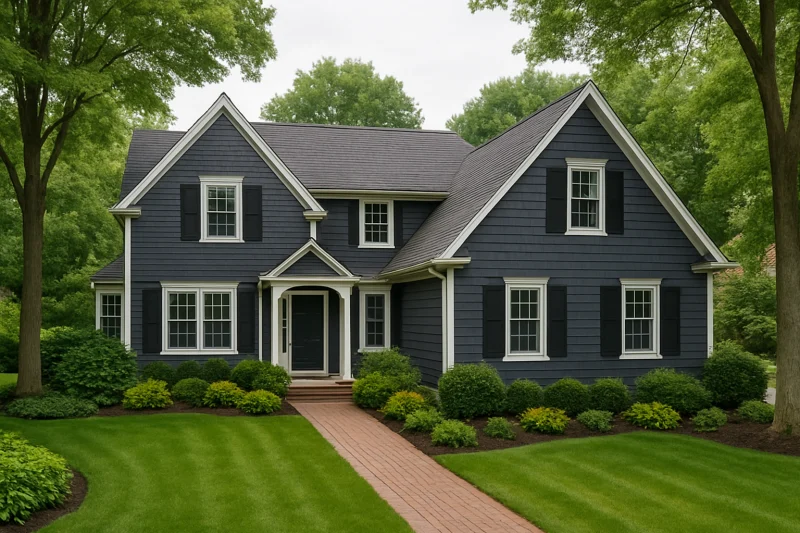
Buying your first home is exciting, but figuring out how much you’ll need for a down payment can feel intimidating. For first-time buyers in Massachusetts, a down payment is the upfront cash you put toward your home purchase, with the rest covered by your mortgage loan. In this article, we’ll walk you through how down payments work, typical options available, common myths, and what to expect here in Massachusetts.
Key Takeaways
- Purpose: Your down payment is the initial money you contribute toward your home purchase; it reduces your loan amount.
- Options: First-time buyers often qualify for low down payment programs—some as low as 3% with Conventional, or 3.5% with FHA loans.
- Requirements: Down payment guidelines vary by loan type; minimums depend on your credit, loan, and property.
- Best For: First-time buyers looking to get into a home with as little upfront cash as possible, while understanding future costs.
Quick Answers: First-Time Buyer Down Payments
- Do I have to put 20% down? No—many first-time buyers qualify for loans with much smaller down payments. Options as low as 3% are available.
- Can down payment funds be gifted? Yes, many programs allow gift money, but documentation rules apply. Talk to your lender for details on acceptable sources.
- Are there programs with no down payment? The VA and USDA home loans offer zero down payment for eligible borrowers and properties, but these aren’t as common in most parts of Massachusetts.
- How does my down payment affect my monthly payment? A larger down payment means you borrow less, which usually means lower monthly payments (but you don’t have to wait for 20% to get started).
- What is mortgage insurance? If you put less than 20% down, most Conventional and FHA loans require mortgage insurance, which is an added monthly cost based on your loan amount and program.
Understanding Down Payments: The Basics
A down payment is your portion of the home’s purchase price that you pay upfront. The rest is typically financed with a mortgage. For first-time buyers in Massachusetts, saving up for this can be the single biggest hurdle, but it’s important to know you likely don’t need 20% to get started.
At Blue Door Mortgage (NMLS# 2218), we help guide first-time buyers in Newton, Boston, Brookline, Wellesley, and throughout Massachusetts through their options—breaking down the details so you get straight answers and real numbers.
Common Down Payment Programs for First-Time Buyers
First-time homebuyers often qualify for a range of financing options. Here are some of the key programs:
- Conventional Loans: Conventional loans commonly have down payment minimums as low as 3% for first-time buyers with qualifying credit and income.
- FHA Loans: The FHA loan program requires as little as 3.5% down, and may be more flexible with credit guidelines.
- VA Loans: For eligible Veterans and service members, VA loans often have no down payment required, along with zero monthly mortgage insurance.
- HomeReady & Home Possible: Special Conventional programs for low- and moderate-income buyers, offering low down payments and added flexibilities.
- Jumbo Loans: If your price point is above local conforming loan limits, Jumbo loans typically have higher down payment requirements, but some can start as low as 10% or 15% if you’re well qualified.
It’s important to compare these options—you’ll want to consider not just the minimum down payment, but how each loan type affects your monthly payment, upfront costs, and requirements like mortgage insurance.
How Much Should I Put Down? Navigating Your Choices
While putting down 20% can help you avoid mortgage insurance and may secure you a lower interest rate, it’s not required on most first-time buyer loans. Many buyers start with 3% to 5% down, and some choose to put more to keep monthly payments lower.
Here are some considerations:
- Minimum Down Payment: Mortgage options like Conventional and FHA allow for low down payments if you’re eligible.
- Gift Funds: Many programs let you use money given from a family member, as long as proper documentation is supplied.
- Grants & Assistance: In certain areas, there may be local or state assistance programs to further reduce your required down.
- Reserve Funds: Some loans require you to show reserves (money left after closing), especially with lower down payments.
Every scenario is unique, so the right choice for you will depend on your overall financial picture, future goals, and what’s available in your area.
Step-by-Step: Down Payment Process for Massachusetts First-Time Buyers
Here’s a look at what to expect as you plan for your down payment:
- Early Pre-Approval: Meet with your lender—ideally before shopping—for an initial review of your income, credit, and assets. You’ll receive a pre-approval letter showing what you can afford, and review down payment options for your scenario.
- Save, Plan, or Source Funds: Determine how much is required for your target price range. Identify funds from your savings, retirement, or acceptable gift sources. If you’re eligible, explore local programs for down payment assistance.
- Documentation: Prepare clear records of where your down payment is coming from. Lenders need documentation for bank accounts, transfers, or gift letters.
- Offer and Contract: Once your offer is accepted, you may supply an earnest money deposit (part of your down payment), held in escrow until closing.
- Final Closing: At your home closing, you’ll bring the remainder of your down payment and closing costs (often by wire transfer or cashier’s check). An attorney or settlement agent coordinates the process in Massachusetts.
Professionalism is key throughout—your lender, real estate agent, and attorney will all work together to ensure a smooth transaction and clear communication at each step.
Common Myths About Down Payments
Let’s clear up a few common misconceptions:
- “You need 20% down.” Not true! There are plenty of low down payment options for qualified buyers.
- “All my money must be ‘seasoned.’” Most lenders want you to document where the money is coming from, but recent deposits or gifts can often be used with proper paperwork.
- “Renting is cheaper until I save 20%.” Depending on local prices, market rents, and your scenario, waiting longer may mean higher prices to chase. Sometimes getting in now—even with a lower down payment—can make more sense.
How Down Payment Size Affects Your Mortgage
Your down payment has a ripple effect on your mortgage. Here’s how:
- Loan-to-Value Ratio (LTV): The larger your down payment, the lower your LTV, which can help you access better loan terms.
- Monthly Payment: Lower LTV means you borrow less, so payments are smaller.
- Mortgage Insurance: If you put less than 20% down, expect to pay mortgage insurance (Private Mortgage Insurance for Conventional loans, or Mortgage Insurance Premium for FHA) until you reach the required equity.
There’s no one-size-fits-all—our job is to help you compare scenarios and make a plan that suits your needs.
Comparing Down Payment Requirements by Loan Type
| Loan Type | Minimum Down Payment | Mortgage Insurance | Notes |
|---|---|---|---|
| Conventional | 3% – 5% (first-time buyers) | PMI until 20% equity | Often lower total cost vs. FHA |
| FHA | 3.5% | MIP (upfront & monthly) | Flexible credit; higher MI cost |
| VA | 0% (if eligible) | No monthly MI | Veterans/active service only |
| Jumbo | 10%–20% (varies) | Typically none (varies) | Higher credit/income needed |
If you’re exploring a HELOC or a renovation loan, those programs have their own unique down payment requirements—reach out if you want to compare any of these options.
Local Considerations for Massachusetts Buyers
Home prices can vary significantly across Massachusetts, from the Boston metro to Newton, Brookline, and Wellesley. As a result, your target down payment amount may be higher in some areas compared to others. Some local banks and organizations also offer targeted assistance or special programs for first-time buyers—another reason it pays to work with a lender who knows the local market inside and out.
Get Started: Planning Your Down Payment
Wherever you are in the process—from early saving, to getting pre-approved, to making an offer—we’re here to support you with the information and professionalism you deserve. Even if you’re just starting to explore your numbers, we’ll lay out your purchase options, walk you through actual figures, and get you prepared for your pre-approval.
Ready to take the next step? Call, text, or email us at Blue Door Mortgage to review your numbers, compare programs, and understand your next steps. Early planning goes a long way, and we’re always happy to provide straight answers to help you move forward with confidence.
Frequently Asked Questions
Can I use gift funds for my down payment?
Yes, many loan programs allow you to use gift funds from relatives toward your down payment, provided the source is documented and meets program guidelines. Be sure to let your lender know upfront, so they can explain required documentation.
Do I need 20% down to avoid mortgage insurance?
Putting 20% down on a Conventional loan will generally allow you to avoid private mortgage insurance (PMI). However, you can buy with less, and in many cases it makes sense to start with a lower amount and refinance later.
Are there any down payment assistance programs for Massachusetts buyers?
There are state and local programs that offer assistance with down payments or closing costs for first-time homebuyers in Massachusetts. Program availability and requirements change, so it’s a good idea to consult with a lender familiar with local options.
Does my down payment always have to be my own savings?
Not always—besides your own savings, you can often use gifts from relatives or, in some cases, qualified assistance or grants. Your lender will review sources for compliance with loan guidelines.
How soon can I buy with a low down payment?
With the right credit, income, and documentation, many buyers can purchase a home right away using a low down payment program. It’s best to connect with a lender early to review your options and set a plan.
This is educational and not financial advice. Loan programs and guidelines can change. Talk with a licensed mortgage professional about your specific scenario.

About the Author
Jonathan White
President at Blue Door Mortgage · NMLS #3443
I am the President and one of the producing Mortgage Brokers for Blue Door Mortgage located in Brookline, Massachusetts. With over 29 years in the Mortgage Brokerage business, I have helped thousands of homeowners and generations of their families with the purchasing and refinancing of their properties.
Specializes in: Conventional, FHA, Jumbo
Licensed in: FL, MA, NH, RI
Related Posts