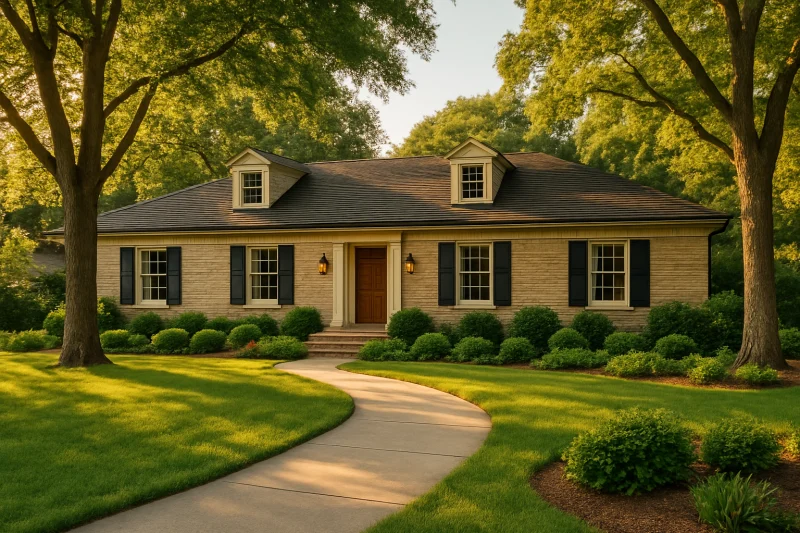
FHA Loans: Step-by-Step Guide for First-Time Homebuyers in Massachusetts

Buying your first home is a major milestone, but navigating your options can leave you with more questions than answers. An FHA loan is a government-backed mortgage program designed to help buyers with flexible credit and down payment requirements, making it easier to purchase a home. In this article, we’ll break down how FHA loans work, who qualifies, the application process, and the important steps to get started in Massachusetts.
Key Takeaways
- Purpose: FHA loans are geared toward buyers seeking flexible credit and down payment guidelines for their home purchase.
- Eligibility: Typically, borrowers need to meet minimum credit scores, steady income, and reasonable debt-to-income ratios.
- Timeline: From pre-approval to closing, the FHA loan process generally takes about 30 to 45 days.
- Best For: First-time buyers and those with limited down payment savings or non-traditional credit backgrounds.
Quick Answers: FHA Loan Basics
- What is an FHA loan? An FHA loan is a home loan insured by the Federal Housing Administration, designed to make homeownership accessible for more buyers.
- How much down payment is needed? FHA loans allow for a minimum 3.5% down payment for borrowers who meet credit and eligibility guidelines.
- Can you use gifted funds for your down payment? Yes, family members and close friends can often help you with your down payment and closing costs via a gift letter.
- Which properties qualify? Primary residences including single-family homes, condos, townhomes, and select multi-unit properties may qualify under FHA guidelines; the property must meet FHA appraisal standards.
- Are there limits on how much you can borrow? Yes, loan limits vary by county, property type, and can change each year—ask us to review current Massachusetts limits for your area.
What Is an FHA Loan?
An FHA loan is a mortgage insured by the Federal Housing Administration, which offers more flexible qualification criteria compared to many conventional options. These loans are popular among first-time homebuyers because of their lower minimum down payment requirements, reasonable credit standards, and the ability to use various sources for your down payment (including gifts). FHA loans are offered by approved lenders and backed by federal insurance, helping borrowers who might not fit conventional guidelines get into a home.
Why Choose an FHA Loan in Massachusetts?
With home prices in Massachusetts often above the national average, buyers can sometimes struggle coming up with the standard 20% down payment. FHA loans are designed for those who may have limited savings, or for self-employed borrowers whose documentation looks a little different. If you’re a first-time buyer trying to break into the market, the FHA program can help unlock your options—without having to wait for a “perfect” credit score or a decades of savings behind you.
How FHA Loans Work: The Basics
- Down Payment: The minimum for most FHA loans is 3.5%, but higher is always accepted if you wish.
- Credit History: FHA guidelines are more flexible, but a certain minimum credit score is needed; other factors like recent bankruptcies or foreclosures may affect eligibility.
- Debt-to-Income Ratio: This measures your monthly debts compared to income; FHA is often more lenient here than many traditional loans.
- Property Type: The property must be your primary residence and meet specific appraisal and health/safety standards.
- Loan Limits: These vary by county—Massachusetts has different maximum amounts for different areas and property types, so checking the latest figures is important.
Massachusetts FHA Loan Requirements
Here are some of the main qualification points for FHA loans in Massachusetts:
- Primary Residence: You must intend to live in the property as your main home.
- Down Payment: Most borrowers need at least 3.5% down; some may use gift funds from eligible sources.
- Credit Score: The minimum required score can vary, but generally higher scores will unlock more options and flexibility.
- Employment and Income: Lenders look for steady, reliable income going back at least two years; exceptions are possible for unique situations such as self-employment or recent career changes.
- Documentation: Required documents often include pay stubs, W-2s, federal tax returns, and bank statements. If you’re self-employed, alternate documentation like business tax returns or a bank statement program can sometimes help—see our Bank Statement Program page for those details.
Step-by-Step Guide: FHA Loan Process in Massachusetts
1. Connect with a Licensed FHA Lender
The team at Blue Door Mortgage (NMLS# 2218) specializes in guiding first-time buyers in Massachusetts through every step. We take pride in our professionalism and commitment to providing straight answers—no jargon or confusing industry talk.
2. Get Pre-Approved
Getting pre-approved lets you know what price range is realistic and signals to sellers that you’re a serious buyer. The pre-approval process involves a review of your credit, income, assets, and debts to determine your qualifying amount and highlight any potential concerns early.
3. Find Your Home and Make an Offer
Once pre-approved, shop for homes that fit within your budget. When you find the right property, your agent will help you make a formal offer. If accepted, your offer moves to “pending”: next comes the home inspection (recommended) and the official FHA appraisal (required).
4. FHA Appraisal and Underwriting
The FHA appraisal isn’t just about value—it also ensures the property meets minimum health and safety standards. During this stage, the lender verifies your financials, double checks the property, and addresses any conditions or questions.
5. Review Disclosures and Finalize Your Loan
You’ll receive disclosures that explain all your estimated costs, terms, and closing details. Your lender will walk you through each document so you’re confident about every line item before moving forward.
6. Attend Closing and Get the Keys
Once everything is in place—final loan approval, cleared title, and closing disclosures—you’ll set a date to sign the last paperwork. After funding, you receive the keys and officially become a homeowner. Welcome home!
FHA vs. Conventional Loans: Key Differences
| Feature | FHA Loan | Conventional Loan |
|---|---|---|
| Minimum Down Payment | 3.5% (if eligible) | 3%–5% (varies by program) |
| Credit Requirements | Flexible; allows lower scores | Higher minimum score needed |
| Mortgage Insurance | Required (MIP), for life of loan unless refinanced | Required (PMI) if <20% down, can be removed when equity increases |
| Eligible Property Types | Owner-occupied only | Owner-occupied, second home, investment |
Not sure which loan fits your needs? We can walk through the FHA Home Loan and other options with you, side-by-side, to compare everything clearly.
What’s Unique About Buying in Massachusetts?
Massachusetts has a mix of old and new homes—sometimes with unique features or historic quirks. FHA standards on property condition can occasionally be a challenge with older homes, but experienced lenders and real estate professionals will guide you on making required repairs or choosing homes likely to clear appraisal. Area-specific loan limits and property taxes also play a role, so working with a local team makes a difference.
Start the Process: Tips for Massachusetts First-Time Buyers
- Review your credit early: Even if you’re not sure you’ll qualify, find out where you stand—FHA is more flexible than many think.
- Ask about gift funds and down payment assistance: Massachusetts may have local resources or programs that fit your scenario, so don’t assume you need to have saved the full amount yourself.
- Work with a lender experienced in FHA—and local real estate: Moving through an FHA purchase in Massachusetts is easier when your team has already helped plenty of buyers through similar scenarios.
- Get pre-approved before house hunting: This makes your search more focused and strengthens your offer when you find the right property.
Why Work with Blue Door Mortgage?
At Blue Door Mortgage, we’ve helped thousands of homeowners—including generations of Massachusetts families—purchase and refinance homes with the right solutions. Our experienced team is committed to guiding you with professionalism, patience, and straight answers from your first call through closing. Whether you’re looking for an FHA loan or want to compare all your loan options side by side, our approach is always personal and transparent.
Ready to Get Started?
Buying your first home is a big step, but it doesn’t need to be overwhelming. Reach out by call, text, or email to review your scenario, compare mortgage options, and understand what it takes to get pre-approved. Planning ahead makes all the difference—we’re here to help you move forward with clarity and confidence.
Frequently Asked Questions
Do FHA loans require perfect credit?
No, FHA loans are known for more flexible credit guidelines. Borrowers with less traditional or lower credit scores may still qualify, though higher scores can bring better terms and lower costs.
Can I use an FHA loan to buy a multi-family property?
Yes, FHA loans allow you to purchase properties with up to four units, as long as you intend to live in one of them as your primary residence. Additional requirements and higher down payments may apply for multi-unit properties.
What costs are included in FHA loan closing?
Closing costs for FHA loans typically include lender fees, third-party fees (like appraisal and title), prepaid taxes, insurance, and FHA’s upfront mortgage insurance premium. Some of these costs may be covered by seller credits or down payment assistance depending on your contract and eligibility.
Is mortgage insurance required for FHA loans?
Yes, FHA loans include upfront and ongoing mortgage insurance premiums (MIP). These help protect lenders and allow for lower down payments, but may increase the overall cost compared to some other loan types.
How do I get started with an FHA loan in Massachusetts?
Reach out to a licensed FHA lender near you to review your finances, discuss pre-approval, and explore your mortgage options. Working with a professional team experienced in Massachusetts FHA lending will help you move through the process smoothly from start to finish.
This is educational and not financial advice. Loan programs and guidelines can change. Talk with a licensed mortgage professional about your specific scenario.

Jonathan White
I am the President and one of the producing Mortgage Brokers for Blue Door Mortgage located in Brookline, Massachusetts. With over 29 years in the Mortgage Brokerage business, I have helped thousands of homeowners and generations of their families with the purchasing and refinancing of their properties.
Related Posts