
Running your own business can provide financial flexibility, but showing a lender how much income…
Fixed Rate vs. Adjustable Rate Mortgages: Which Is Best for Move-Up Buyers?
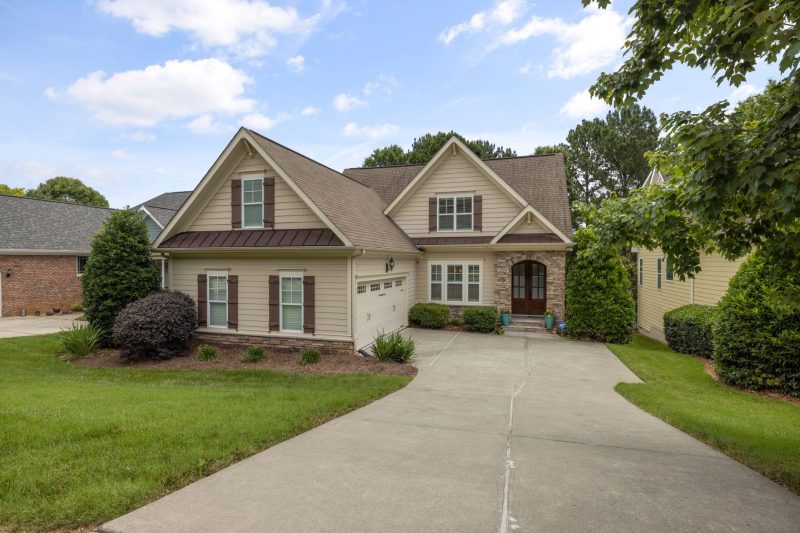
If you’re planning to buy your next home, comparing mortgage options can feel like a major decision with a lot riding on it. Fixed rate mortgages offer a stable interest rate for the life of the loan, while adjustable rate mortgages start with a lower initial rate that can change after a set period. In this article, we’ll break down exactly how fixed and adjustable options work, the scenarios where each might fit, and what move-up buyers in Massachusetts should consider before moving forward.
Key Takeaways
- Purpose: Fixed and adjustable rate mortgages let buyers choose between stable payments or potentially lower initial rates, depending on financial goals.
- Structure: Fixed rates maintain the same monthly payment throughout the loan, while adjustable rates (ARMs) can change after an initial period.
- Qualification: Both options generally require income verification, a qualifying credit score, and acceptable debt-to-income ratios.
- Best For: Move-up buyers, self-employed borrowers, and those planning to keep their home for varying time frames.
Quick Answers: Fixed vs. Adjustable Rate Mortgages
- What is a fixed rate mortgage? A fixed rate loan has an interest rate and monthly payment that stay the same for the entire term, making budgeting easier.
- How does an adjustable rate mortgage work? An ARM usually starts with a lower fixed rate for a set number of years, then the rate adjusts periodically based on market conditions.
- Which is better for move-up buyers? It depends on your plans—fixed offers long-term security, adjustable can provide short-term savings if you expect to sell or refinance before the adjustment period.
- Are ARMs riskier? Since the rate can go up after the initial period, ARMs carry more uncertainty over time.
- What should I ask a lender? Discuss your timeline, budget preferences, and get straight answers about how payments may change with each option.
Understanding Fixed Rate Mortgages
A fixed rate mortgage comes with an interest rate that remains constant for the life of the loan—typically 15, 20, or 30 years. This structure means your principal and interest payment won’t change, regardless of what happens to market rates over time. For many move-up buyers hoping for predictability, this steady approach can support long-term financial planning and peace of mind.
- Predictability: Monthly payments stay the same from day one to the very last payment.
- Budgeting: Easier to manage household expenses without worrying about payment spikes.
- Who it’s for: Buyers planning to stay in their new home for several years, or those who value payment certainty above all else.
How Adjustable Rate Mortgages (ARMs) Work
An adjustable rate mortgage, or ARM, starts off with a lower fixed interest rate for an initial period—often five, seven, or ten years. After that, the rate and monthly payment can adjust, usually once a year, based on lending rate indexes and the terms in your loan agreement. For buyers who don’t expect to keep the same property long-term, ARMs may provide initial savings that align with their plans.
- Lower initial cost: ARMs typically offer lower starting rates than fixed options, reducing your payments early on.
- Adjustment period: When the introductory period ends, your payment can increase or decrease based on current market conditions.
- Who it’s for: Buyers who expect to move, refinance, or pay off the mortgage before the rate adjusts.
Fixed vs. Adjustable for Move-Up Buyers: Core Considerations
At Blue Door Mortgage (NMLS# 2218), we work with move-up buyers across Massachusetts to help weigh the right fit as you transition to your next home. Every scenario has unique goals—maybe you’re ready for a bigger property, closer to work, or simply need more space.
Here’s what to consider:
| Feature | Fixed Rate | Adjustable Rate (ARM) |
|---|---|---|
| Interest Rate | Remains the same for the term | Fixed for the intro period, then adjusts |
| Monthly Payment | Stable and predictable | May increase (or decrease) after intro period |
| Initial Rate | Typically higher than ARM | Typically lower than Fixed |
| Long-Term Security | Best option—no surprises | Uncertain after the fixed period ends |
| Who Might Benefit | Those staying 7+ years or needing certainty | Those moving or refinancing in a few years |
Where ARMs Can Make Sense for Move-Up Buyers
We see some move-up buyers who plan to sell again within a few years—maybe because of growing families, career moves, or a focused investment plan. In these cases, the initial savings with an ARM can be attractive, especially if the plan is to secure a new mortgage or move before the adjustment period ends. Just keep in mind, if your timeline shifts, your payment could rise. Having straight answers up front about worst-case payment scenarios can help you plan ahead with confidence.
Why Many Move-Up Buyers Prefer Fixed Rates
Stability is often the deciding factor for those putting down roots in their next home. Fixed rates are straightforward—what you agree to at closing is what you’ll pay every month, regardless of swings in the broader economy. If you want a clear picture for household budgeting, and expect to be in the property for more than just a handful of years, fixed rates remove a layer of uncertainty many buyers prefer to avoid.
How We Help You Compare Options
Everyone’s scenario is a little different. Our team at Blue Door Mortgage specializes in helping Massachusetts buyers compare fixed and adjustable options, review potential payment changes, and match loan structure to each client’s specific plans. We take pride in our professionalism and in walking you through all the details—whether you’re looking at conventional, FHA, or jumbo financing.
Don’t hesitate to ask anything—especially if you want to understand how future market conditions could affect your loan, or if a Home Equity Line of Credit might also fit your move-up strategy.
Choosing the Right Mortgage: Steps to Take
- Review your timeline and plans. Is this home your 3-year stop or your long-term base? Your answer helps guide the right loan.
- Estimate your budget comfort zone. Consider not just the starting payment but also the potential for higher payments down the line.
- Discuss options with a licensed mortgage professional. Ask for scenario comparisons, including how rising rates could impact your payment if you take an ARM.
- Get pre-approved. Pre-approval makes your next offer stronger, clarifies your homebuying budget, and helps identify which loan is the right fit based on real numbers.
Comparing Loan Products: Fixed vs. ARM vs. HELOC
For move-up buyers who also want to tap home equity for renovations, or who are self-employed and need flexible documentation, it can be helpful to compare more than just fixed vs. adjustable. FHA, jumbo, and even renovation loans are viable in certain cases. Not sure which to choose? We will walk you through side-by-side examples tailored to your financial picture and homeownership plans.
Ready to Take the Next Step?
If you’re weighing a move-up in Massachusetts, New Hampshire, Rhode Island, or Florida, our experienced team is ready to help you compare mortgage options. Call, text, or email us to review your scenario, get straight answers on fixed and adjustable rates, and plan your next steps. We’ll also walk you through pre-approval planning so you can shop for your new home with confidence.
Frequently Asked Questions
Can I refinance from an ARM to a fixed rate later?
Yes, it’s possible to refinance an ARM to a fixed rate mortgage if you qualify. Just remember that rates and eligibility may change, so it’s important to review your options and timing with a lender.
Are there limits to how much my ARM payment can increase?
Most ARMs include caps that limit how much the interest rate and payment can rise at each adjustment and over the life of the loan. Review your loan’s specific terms to understand those limits.
Is a fixed rate mortgage better if I plan to rent the home out later?
A fixed rate mortgage can offer consistent payments, which many property owners prefer when renting out their home. However, the right choice depends on your overall strategy and expected timelines.
Do both fixed and ARMs require the same down payment?
Down payment requirements can be similar for both fixed and adjustable rate loans, but specifics may vary by loan type and lender. Conventional and FHA loans each have their own minimums and guidelines.
What documentation will I need to apply?
Lenders generally request income verification, employment history, asset statements, and credit information. Self-employed borrowers may need to provide additional or alternative documentation.
This is educational and not financial advice. Loan programs and guidelines can change. Talk with a licensed mortgage professional about your specific scenario.

About the Author
Jonathan White
President at Blue Door Mortgage · NMLS #3443
I am the President and one of the producing Mortgage Brokers for Blue Door Mortgage located in Brookline, Massachusetts. With over 29 years in the Mortgage Brokerage business, I have helped thousands of homeowners and generations of their families with the purchasing and refinancing of their properties.
Specializes in: Conventional, FHA, Jumbo
Licensed in: FL, MA, NH, RI
Related Posts


