
Running your own business can provide financial flexibility, but showing a lender how much income…
Jumbo Loan Guide for Move-Up Buyers: Navigating High-Value Properties
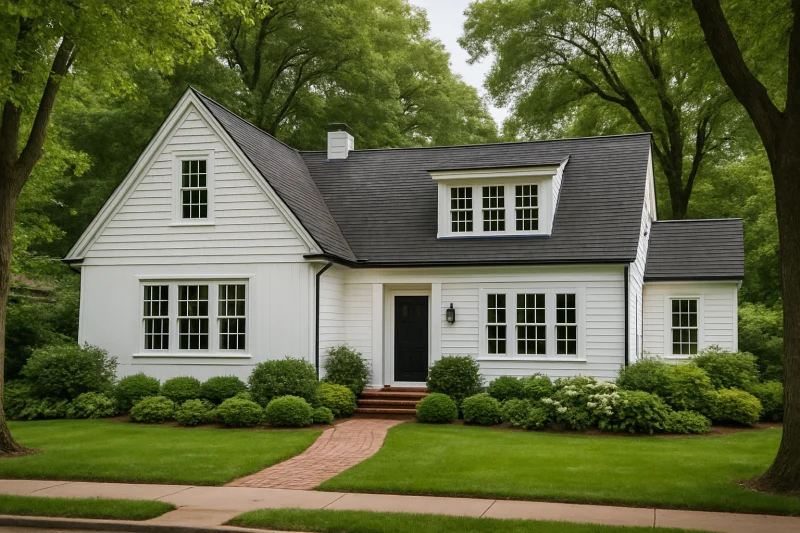
Looking to buy a higher-priced home is an exciting step, but understanding what it takes to secure a mortgage on a high-value property can feel daunting. A jumbo loan is a mortgage designed for amounts that exceed the conforming loan limits set for your county, making it the right choice for financing more expensive homes. In this article, we’ll take you through what jumbo loans are, what it takes to qualify, how the process works, and what move-up buyers in Massachusetts and neighboring communities should know before getting started.
Key Takeaways
- Purpose: Jumbo loans help buyers finance homes that are priced above local conforming loan limits.
- Requirements: Generally require higher credit scores, larger down payments, and more documentation.
- Timeline: Jumbo loan approval often takes a little longer due to thorough review processes.
- Best For: Buyers moving up to higher-value properties who need a loan that covers more than conforming limits allow.
Quick Answers: Jumbo Loans & High-Value Home Financing
- What is a jumbo loan? It’s a mortgage for home loans that exceed the limits set for conventional conforming loans in your area.
- Who typically uses jumbo loans? Move-up buyers, self-employed borrowers, and anyone purchasing high-value real estate outside conforming loan guidelines.
- Are interest rates higher? Jumbo loans may have slightly higher rates and stricter requirements than standard conforming loans.
- Can first-time buyers get a jumbo loan? Yes, if you meet the credit, income, and down payment requirements set by lenders.
- Does Boston or Newton have different limits? Conforming loan limits vary by county, so what’s considered a “jumbo” in one area may be different in another.
What Makes a Loan “Jumbo”? Understanding Loan Limits
Every year, the Federal Housing Finance Agency (FHFA) updates the maximum loan amounts that qualify as “conforming” loans through Fannie Mae and Freddie Mac. If your home price—and therefore your mortgage amount—goes above these county-specific limits, you’ll need to explore jumbo loan options.
Jumbo loans are not backed by the federal government, which is why lenders apply extra scrutiny and may set unique requirements. For buyers in Massachusetts—including areas like Boston, Brookline, Newton, and Wellesley—checking current loan limits is always the first step before zeroing in on a property price range.
Who Should Consider a Jumbo Loan?
At Blue Door Mortgage (NMLS# 2218), we often work with borrowers in the market for homes that simply require a larger mortgage—especially move-up buyers ready to transition from entry-level homes to properties that meet new lifestyle or space needs. Jumbo loans are also common for:
- First-time buyers purchasing high-value homes
- Veterans or self-employed borrowers with strong financials
- Homeowners moving into luxury neighborhoods or purchasing unique properties
If your price point runs past local conforming loan thresholds, a jumbo loan is likely on your radar. We’re here to provide professionalism and straight answers with every step.
Jumbo Loan Qualification: What Lenders Look For
Qualifying for a jumbo loan typically means meeting higher standards than with conforming loans. Here’s an overview of what to expect:
- Credit Score: Lenders often look for strong credit—sometimes higher than they require for standard loans.
- Down Payment: A larger down payment is generally expected. While amounts vary, buyers frequently put down more than the minimum required for conventional financing.
- Documentation: Because there’s no government backing, you’ll be asked for thorough income, asset, and debt documentation. This holds true for self-employed borrowers as well—alternative verification options like our Bank Statement Program may help if you’re not salaried.
- Debt-to-Income Ratio (DTI): Lenders will closely assess your monthly debt in relation to your income to ensure you can support a larger mortgage.
- Cash Reserves: Some lenders may require extra reserves in your bank account after closing, especially at higher loan amounts.
Guidelines do change, so it’s important to go over your particular financial snapshot with a mortgage professional who specializes in this market.
Jumbo Loan vs. Conforming Loan: Key Differences
| Feature | Jumbo Loan | Conforming Loan |
|---|---|---|
| Loan Size | Above local conforming limit | At or below local conforming limit |
| Down Payment | Generally higher | Can be as low as 3% |
| Mortgage Insurance | Often not required, but varies by lender | Required below 20% down |
| Interest Rate | May be a bit higher | Generally lower |
| Documentation | More extensive | Standard |
Step-by-Step: The Jumbo Loan Process
- Consultation and Pre-Approval: Start with a review of your finances and discuss your goals. Pre-approval for a jumbo loan shows sellers you’re serious and helps determine your budget. In Massachusetts and throughout Greater Boston, pre-approval holds real weight in a competitive market.
- Application & Document Collection: Be prepared for a comprehensive review—including tax returns, bank statements, and asset documents. Self-employed? Our Bank Statement Program can support unique income scenarios.
- Appraisal & Underwriting: The property will be appraised—sometimes with multiple appraisals if it’s especially high-value. Jumbo underwriters examine both the home and your financial picture closely, often requesting additional validation.
- Loan Approval & Closing: Once underwriting is complete, you’ll review closing disclosures and finalize the loan. Plan for a slightly longer timeline (compared to a standard purchase), as each detail is checked carefully.
Throughout the process, our team is here with expertise and straight answers—helping you keep things on track.
Products and Options for Higher-Value Homes
Jumbo loans can be fixed-rate, adjustable-rate, or part of a broader menu of financing products, depending on your plans for the property. Some buyers may consider pairing a jumbo loan with a home equity line of credit (HELOC) for future renovations or cash flow needs. We also help with renovation loan options should the property require any upgrades.
If your scenario is outside the box—say, self-employed, buying a second home, or navigating a portfolio of assets—we’ll guide you through it. Our goal is to deliver professionalism, clarity, and top-notch support at every step.
What to Expect: Rates, Closing, and Timelines
Since jumbo loans don’t carry government or quasi-government backing, rates can be a little higher than those on conforming mortgages, and closing may take extra time as every detail is reviewed. Expect upfront costs to vary: appraisals, lender fees, and sometimes mortgage insurance (depending on down payment and lender policy). We’ll make sure you understand all of this before you move forward—no surprises.
For buyers in markets like Wellesley, Newton, and Boston, understanding how local market values impact your loan amount is key. We’ll walk through your scenario so you can compare options clearly and confidently.
Is a Jumbo Loan Right for You?
Whether you’re outgrowing your current home or eyeing a unique property with a higher price tag, a jumbo loan may be the fit you need. The best starting point is to review your entire financial picture and get pre-approved before shopping in the higher end of the market. If you’re a move-up buyer with questions—or ready to take the next steps in Massachusetts or surrounding areas—let’s talk through your options in detail.
Ready to Explore Your Options?
The Blue Door Mortgage team is committed to providing transparent guidance, personalized recommendations, and a smooth process from day one. If you’re ready to purchase a higher-value home or just want to compare what’s possible, call, text, or email us anytime for a no-pressure review of your scenario. We’ll help you understand your options, clarify next steps, and assist with pre-approval planning to put you in the strongest position possible.
This is educational and not financial advice. Loan programs and guidelines can change. Talk with a licensed mortgage professional about your specific scenario.
Frequently Asked Questions
What is the minimum down payment for a jumbo loan?
Minimum down payments for jumbo loans often exceed those for conforming loans, but exact amounts depend on the lender and your scenario. Down payment requirements can change, so it's best to review your qualifications with a mortgage professional.
Are jumbo loan interest rates always higher than conforming rates?
Jumbo loans often come with slightly higher rates due to the larger loan amount and extra risk to lenders. However, current market conditions and your personal financial profile will impact the rate offered.
Can I use a jumbo loan for a second home or investment property?
Yes, jumbo loans are sometimes available for second homes or investment properties, but lender requirements may be stricter than for primary residences. It's important to discuss your property plans with your lender early on.
How do I know if my loan amount qualifies as jumbo?
If your desired loan amount exceeds the conforming limit for your county, you'll need a jumbo loan. Limits vary locally, so check with your lender for the current threshold in your area.
What documents are required for a jumbo loan application?
Lenders typically ask for full income documentation, recent asset statements, tax returns, and information on debts. Jumbo applications may be more detailed than standard mortgages, so be ready to provide comprehensive documents.
This is educational and not financial advice. Loan programs and guidelines can change. Talk with a licensed mortgage professional about your specific scenario.

About the Author
Jonathan White
President at Blue Door Mortgage · NMLS #3443
I am the President and one of the producing Mortgage Brokers for Blue Door Mortgage located in Brookline, Massachusetts. With over 29 years in the Mortgage Brokerage business, I have helped thousands of homeowners and generations of their families with the purchasing and refinancing of their properties.
Specializes in: Conventional, FHA, Jumbo
Licensed in: FL, MA, NH, RI
Related Posts


