
Construction Home Loans in Massachusetts
Building a home is a big step. Our construction home loans are designed to support you at every stage of this exciting journey.
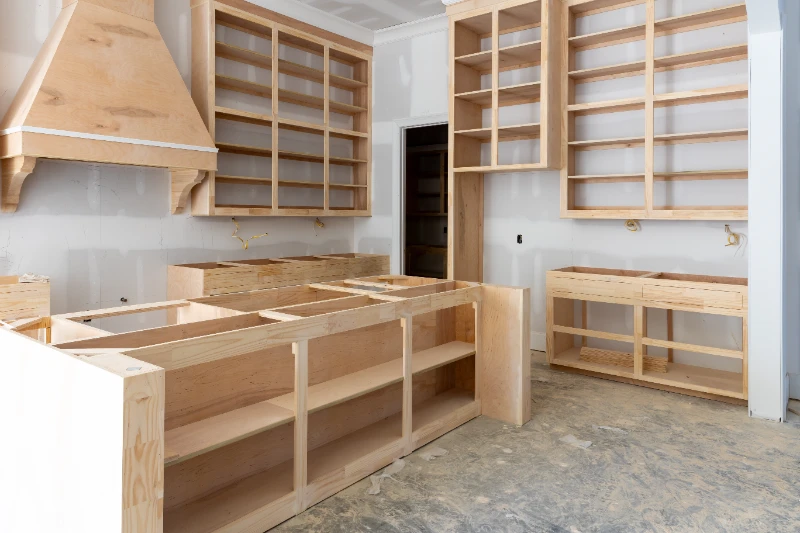
Understanding Construction Home Loans for Massachusetts Properties
A construction home loan in Massachusetts finances the building of a new residence, with funds released as work is completed rather than in one lump sum. At Blue Door Mortgage, we help Massachusetts borrowers understand builder requirements, draw schedules, documentation, and permanent financing before construction begins. Our goal is to provide straight answers and professionalism throughout a process that is more involved than purchasing a completed home.
Key Takeaways
- Staged Funding: Loan proceeds are generally released through draws after an inspector confirms that scheduled work has been completed.
- Project-Based Review: The lender evaluates your finances, builder, plans, budget, land, and projected completed value.
- Two Main Structures: Construction-to-permanent financing uses one closing, while construction-only financing usually requires a separate permanent mortgage.
- Borrower Contribution: Required cash or equity varies according to the program, project risk, completed value, and borrower qualifications.
- Construction Payments: Borrowers commonly pay interest only on disbursed funds during the building period, although program terms differ.
- Contingency Planning: A detailed budget should account for permits, site work, change orders, and unexpected construction expenses.
Common Questions About Construction Home Loans
Construction home loans combine mortgage underwriting with a detailed review of the proposed building project. These direct answers cover several of the questions we hear most often from borrowers.
- What does a construction home loan cover? Depending on the program, it may cover land acquisition, labor, materials, permits, site preparation, and other approved costs necessary to complete the residence.
- Can I build on land I already own? Yes, and eligible equity in the lot may sometimes count toward the required borrower contribution. The lender will still review existing liens, site conditions, plans, and the land’s appraised value.
- Do I need to hire a licensed general contractor? Most programs require an experienced, properly insured builder who can pass the lender’s approval process. Owner-builder arrangements are uncommon and typically face stricter requirements.
- Can a first-time buyer use construction financing? A first-time buyer may qualify if their credit, income, assets, project, and builder meet program guidelines. Buyers seeking lower initial cash requirements may also compare available first-time home buyer programs.
- Is construction financing available through FHA? FHA construction-to-permanent financing exists, but lender participation, property requirements, and underwriting guidelines apply. Our FHA home loan page explains the broader program.
- What happens if the project costs more than expected? Unapproved cost overruns are generally the borrower’s responsibility, which is why lenders review contingency funds and require approval before significant plan changes.
How Construction Home Loans Work
A construction mortgage moves from financial review to project approval, closing, staged draws, and final completion. Understanding that sequence can help you coordinate your builder, lender, architect, and closing professionals.
- Review Your Finances and Goals: We begin by discussing your income, assets, credit, land ownership, proposed budget, and intended occupancy. Self-employed borrowers should expect a detailed review of business and personal documents; in some cases, a bank statement program may be worth discussing as an alternative.
- Choose the Financing Structure: A one-time-close loan transitions from construction financing into a permanent mortgage, subject to its terms. A two-time-close structure uses a short-term construction loan followed by a new mortgage, creating additional rate and closing-cost considerations.
- Finalize the Builder and Plans: The lender typically requests construction drawings, specifications, a signed building contract, permits or permit status, insurance, and a line-item budget. The builder may need to provide licensing, references, financial information, and evidence of completed projects.
- Order an As-Completed Appraisal: An appraiser estimates what the property should be worth after construction based on the plans, site, specifications, and comparable sales. That projected value helps determine the supported loan amount, but it does not automatically rise when the construction budget increases.
- Complete Underwriting and Closing: Underwriting evaluates both you and the project before final loan terms are issued. At closing, existing land debt may be paid, required funds are collected, and the draw account is established according to the approved budget.
- Request Draws During Construction: Your builder requests funds as milestones such as foundation, framing, mechanical systems, and finish work are completed. An inspection generally verifies progress before each release, and payments during this stage are often based on the amount already disbursed.
- Finish and Enter Permanent Financing: Final inspections, occupancy documentation, lien releases, and other completion items must be delivered. A construction-to-permanent loan then moves into its permanent phase, while a construction-only borrower must close on separate long-term financing.
Who May Benefit From a Construction Home Program?
Construction financing may be appropriate for borrowers who want a custom residence and can manage a detailed, documentation-heavy process. This includes first-time buyers with a carefully planned project, veterans considering an eligible construction structure, move-up buyers building before selling, and self-employed borrowers with well-documented income and reserves. In our experience, borrowers tend to be better prepared when they select their builder early, maintain contingency funds, and avoid making design decisions after the budget has been approved.
Borrowers seeking a completed property, a predictable move-in date, or primarily cosmetic improvements should consider alternatives. A conventional fixed-rate mortgage may provide a simpler closing for an existing home, while a rehab loan may work well for an eligible purchase that needs substantial repairs. Move-up buyers who need temporary access to existing-home equity may also want to review a bridge home loan, and higher-cost completed properties may require jumbo financing rather than a construction program.
Construction Mortgage Costs, Fees, and Expectations
Construction financing usually involves more project-related expenses and moving parts than a standard purchase mortgage. In addition to ordinary lender and settlement charges, your budget may include appraisal updates, draw administration, progress inspections, title updates, surveys, engineering, permits, builder’s risk insurance, and legal or architectural fees. A two-closing structure may create another set of closing costs when permanent financing is arranged.
Required down payments often fall within a broad range and depend on occupancy, credit, reserves, land equity, loan size, and the relationship between cost and completed value. For example, if an $800,000 total project requires a 15% borrower contribution, that contribution would be approximately $120,000; eligible lot equity may sometimes satisfy part of it, but closing costs, reserves, and overruns could require additional funds.
Construction-stage rates are commonly priced differently from standard permanent mortgage rates because funds are advanced before a finished home exists. Timelines frequently range from several months to more than a year, and extensions may involve fees or updated underwriting, depending on the loan documents.
| Feature | Construction Home Loan | Traditional Purchase Mortgage |
|---|---|---|
| Property Status | Vacant land or home under construction | Completed, habitable residence |
| Fund Delivery | Released through inspected draws | Disbursed primarily at closing |
| Borrower Funds | Often higher; lot equity may be considered | May be lower under eligible conventional or FHA programs |
| Payments | Often interest only on disbursed funds during construction | Principal and interest generally begin after closing |
| Closing Structure | One closing or two closings | Usually one closing |
| Timeline Risk | Exposed to permits, weather, labor, and material delays | Less exposure to construction delays |
Common Construction Loan Mistakes to Avoid
The most expensive construction loan mistakes usually begin with an incomplete budget, an unapproved change, or poor coordination among the parties. Careful preparation can reduce avoidable draw and underwriting delays.
- Budgeting Only for the Building Contract: Site work, utility connections, retaining walls, landscaping, permits, and professional fees can sit outside the builder’s base price. Confirm exactly what each allowance includes.
- Assuming Every Upgrade Adds Equal Value: An $80,000 kitchen upgrade may increase cost without adding $80,000 to the appraisal. If the completed value does not support the revised budget, you may need to contribute the difference.
- Changing Plans Without Approval: Moving a wall or upgrading windows may appear straightforward, but it can affect permits, appraisal assumptions, and the draw schedule. Obtain lender and builder approval before authorizing material changes.
- Using Cash Needed for Closing: Paying a builder deposit from verified reserves shortly before closing can reduce the assets available for underwriting. What we typically see is that even a legitimate $25,000 payment must be documented and reconciled with the approved budget.
- Ignoring Builder Cash Flow: A contractor who expects large upfront payments may not be comfortable with reimbursement-based draws. Confirm that the builder understands inspection timing, retainage, lien waivers, and the lender’s disbursement process.
- Scheduling a Move Too Early: A projected completion date is not the same as permission to occupy. Weather, utility approvals, final inspections, and occupancy documentation can all affect the actual move-in date.
Local Construction Considerations in Massachusetts
Local zoning, site conditions, and permitting can materially affect a project’s cost and schedule. In Boston neighborhoods such as Jamaica Plain, narrow lots, demolition review, and access for construction equipment can complicate a build, while Newton projects may involve local setback rules and neighborhood-specific design concerns. Cape Cod properties can require close attention to wetlands, flood zones, coastal review, and septic requirements; meanwhile, borrowers employed in Cambridge’s biotechnology sector or by Greater Boston hospitals may have bonuses, equity compensation, or variable income that requires additional underwriting documentation.
Ready to Discuss Your Construction Home Loan?
We are ready to help you evaluate the financing structure, documentation, costs, and trade-offs before you commit to a building contract. Get started with Blue Door Mortgage (NMLS #2218) today by using our Get Started form, and we will take the time to learn about your land, builder, budget, and long-term mortgage goals.
This is educational content and not financial advice. Loan programs and guidelines can change. Talk with a licensed mortgage professional about your specific scenario.
Surf our website to learn about our company, see our loan programs, and request a free consultation.
Get started today!
Fill out the questionnaire on this page to start a discussion about your mortgage needs today!